
Home»basement-waterproofing-hamilton

Exterior Waterproofing, Interior Weeping Tiles, and Basement Leak Repair

We stop water from entering your basement and route groundwater away from your foundation. GTA Masonry serves homeowners in Stoney Creek, Hamilton, and nearby areas.

Your basement sits below the ground. The soil around it stays damp most of the year. In Stoney Creek, the clay-heavy soil soaks up rain and holds it against your foundation walls for weeks. This pressure pushes water through the block pores, the mortar joints, and any open cracks. This means you get white powder stains on the walls, musty odors, and eventually wet floors. GTA Masonry is a team of licensed masons. We excavate the soil, apply rubberized membranes, lay drain pipes, and install sump pumps. We serve homeowners in Stoney Creek, Old Town, Stoney Creek Mountain, Winona, and Fruitland. Our team keeps your basement dry through every rain season.
Four Reasons Our Waterproofing Systems Hold Up Longer

Waterproofing a basement is not just brushing a coat of paint on the inside wall. It is a system of drainage, membranes, and pumps that must work together. Here is why GTA Masonry gets this right.

We Dig Down to the Concrete Footings

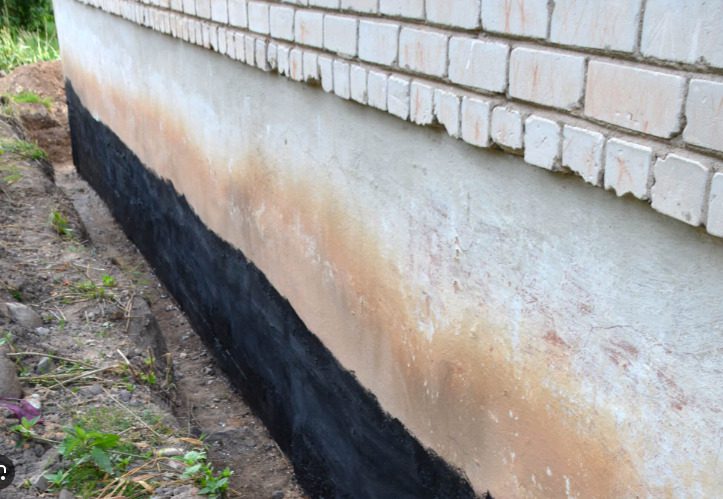
Many waterproofing companies seal the block surface halfway down. Water still finds a way in through the footing joint at the bottom. We dig the entire trench down to the concrete footing level. Next, we apply the membrane from the top of the wall to the base of the footing edge.

We Wire Two Pumps Together in Every Sump Basin

A single pump will fail the moment the power goes out in a storm. This is exactly when you need it most. We install a primary submersible pump and wire it to a secondary battery backup pump inside the sump basin. Also, the backup unit uses a separate power source so it runs independently during outages.

We Choose the Right Membrane for Old Stone Walls

Older homes in Old Town Stoney Creek have rubble stone or brick foundations. These walls need to breathe. A thick, non-porous rubber membrane will trap moisture inside and cause the old stone to flake and delaminate. Also, we use breathable crystalline coatings on these older wall types.

We Offer a Clean Interior Option When Exterior Digging Is Blocked

If your deck, garage slab, or landscaping sits directly against the foundation wall, digging is not practical. We go inside the basement instead. We cut the concrete floor edge, lay perforated weeping tile channels under the slab, and redirect the seepage to the sump pump.

Basement Waterproofing and Drainage Work We Do

GTA Masonry installs exterior water barriers and interior drainage systems for concrete block, poured concrete, and stone foundations. Here are the specific services we provide.

Exterior Excavation and Membrane Sealing

We dig a trench along the outside of your foundation wall down to the footing. Next, we clean the block face and apply a thick elastomeric rubber membrane to the entire wall. This membrane stops ground moisture from entering through the block pores.

Dimpled Drainage Board Protection

A rubber membrane alone can be damaged by backfilled rocks and shifting soil. We attach a dimpled drainage board over the membrane surface. The board protects the waterproof layer and channels water downward to the drain pipe below.

Interior Weeping Tile Drain Channels

We jackhammer a four-inch channel around the inside perimeter of your basement slab. We lay a perforated drain pipe wrapped in a filter sock inside the channel. Next, we pour new concrete over the channel and connect the pipe to the sump basin below the floor.

Sump Pump and Basin Installation

We cut a round pit into the basement floor and set a heavy plastic sump basin inside it. We install a cast-iron submersible pump connected to a PVC discharge pipe. Also, we route the discharge outside the building to a safe drainage point away from the footings.

Polyurethane Foundation Crack Injection

Active water leaks through a cracked poured concrete wall need immediate sealing. We press plastic injection ports into the crack at regular intervals. Next, we pump expanding polyurethane foam through the ports under pressure. The foam expands to fill the full crack width from inside to outside.

Crawl Space Vapor Barrier Installation

Exposed soil in a crawl space releases moisture that rises through your floors. We lay a thick 6-mil plastic vapor barrier across the entire crawl space floor and up the walls. Also, we tape all seams and seal the barrier around post footings to block moisture completely.

Window Well Replacement and Drainage

Old steel window wells collect leaves and water. When they overflow, water presses against the basement window frame and leaks inside. We replace corroded wells with new galvanized steel units. Next, we drill a drain hole and connect a tube down to the footing to route water away.

Yard Slope Correction and French Drain Trenches

Flat ground around your home allows rainwater to pool next to the foundation wall. We re-slope the topsoil so it falls away from the house. Also, we dig shallow French drain trenches filled with drainage pipe and gravel aggregate to carry surface water to the street.

What Happens During an Exterior Waterproofing Job

Here is exactly what we do at your property from the first shovel to the last cleanup.

01

Step 1: Site Protection and Trench Marking

We place tarps over the grass and mulch beds next to the foundation. We mark the trench line and the location of any buried electrical conduits or gas lines. Also, we call Ontario One Call before digging.

02

Step 2: Full-Depth Excavation

We dig down to the base of the concrete footing. We remove all soil and old, failed waterproofing material from the block face. Next, we pile the excavated soil on the tarps to protect the lawn.

03

Step 3: Wall Cleaning and Crack Patching

We power wash the exposed block wall and let it dry. We fill open mortar joints with hydraulic cement. Also, we seal any visible structural cracks before the membrane goes on.

04

Step 4: Rubber Membrane Application

We brush or spray a thick coat of elastomeric waterproof membrane over the full height of the wall. Next, we apply a second coat over the footings to bridge the wall-to-footing joint. This is the most common entry point for water.

05

Step 5: Dimple Board and Drainage Pipe

We hang the dimpled drainage board over the wet membrane. We lay a filter-wrapped perforated pipe at the base of the footing. Also, we connect the pipe to the sump inlet or to an exterior outlet.

06

Step 6: Gravel Fill and Pipe Cover

We pour clean drainage aggregate over the pipe to a depth of at least two feet. This gravel layer allows water to drain fast without building up pressure against the wall. Next, we place a layer of filter fabric over the gravel before adding soil.

07

Step 7: Soil Backfill and Grade Check

We compact the excavated soil back into the trench in layers. We check the final grade with a laser level to confirm it slopes away from the house. Also, we wash down your driveway and pick up all tools before leaving.

Basement Waterproofing Services Near You

We serve homeowners and property owners across Stoney Creek and the surrounding Hamilton area. Our waterproofing and drainage teams work in all of these neighborhoods:

  • Stoney Creek: Old Town Stoney Creek, Stoney Creek Mountain, Winona, Fruitland, Elfrida, Vinemount, Heritage Green, Tapleytown, Tweedside, and Parkview Heights.
  • Hamilton & Wider Area: Ancaster, Dundas, Waterdown, Glanbrook, and Flamborough.

Call us to confirm service in your area and schedule your visit.

Questions About Basement Waterproofing We Hear Often

Exterior waterproofing stops water from entering your foundation by sealing the outside of the wall. Interior waterproofing manages water that has already entered by collecting it in drain channels under the floor and pumping it out. Exterior is better for stopping leaks at the source.

Concrete block walls absorb moisture from damp soil and release it as vapor inside your basement. This raises the indoor humidity level and causes wood framing to grow mold behind the drywall. Also, wet block pores create the musty odor before any water ever reaches the floor.

A fresh battery runs the backup pump for 12 to 48 hours depending on how fast the water is coming in. Slow seepage from a light rain will keep the battery running for two days or more. Heavy groundwater pressure during a storm will drain it in 12 to 15 hours. We recommend replacing the battery every three years.

No. Parging is a sand-cement surface coat that protects block walls from frost and surface water splash. It has no waterproofing ability against ground pressure. Water pushes straight through parged walls when the soil is saturated. You need a rubberized membrane or crystalline sealer to block this kind of moisture.

Exterior membrane work and interior drainage tile installations do not require a permit from the City of Hamilton. If the project involves connecting to the municipal storm sewer or making structural changes to the foundation, a permit is needed. GTA Masonry confirms the rules for your project before starting.

White powder is called efflorescence. It forms when water moves through the block wall and dissolves the calcium salts in the mortar. When the water evaporates inside the basement, the salt is left behind on the surface. Efflorescence tells you that water is flowing through your wall regularly.

Yes, but we need to remove the drywall along the base of the wall to access the block face and lay the interior drain channel. Also, we can often inject cracks from the inside without removing any finishes. We evaluate your situation first and give you the least disruptive option.

A properly installed exterior system with a rubber membrane, drainage board, and fresh weeping tile lasts 30 to 40 years. Keeping your eavestrough clean and maintaining positive yard grade near the home adds more years to the system’s lifespan.

Do Not Wait for the Next Big Storm

Basement leaks get worse every rain cycle. Each time water enters the wall, it loosens the block joints and widens the cracks. Contact GTA Masonry today to book a free inspection. We will show you exactly where the water is coming from and how to stop it.

GTA Masonry
138 MacIntosh Dr, Stoney Creek, Hamilton, ON, L8E 4E3
Phone: (289) 272-5442 | Email: info@gtamasonry.ca